Author: Huichol

Step-by-Step Guide to Making Huichol Bead Art Flower

A Detailed Tutorial on Creating a Huichol Bead Art Flower

Huichol bead art, known for its vivid colors and intricate designs, is a traditional craft of the Huichol people of Mexico. One of the most common and iconic motifs in Huichol art is the flower, which holds significant spiritual and cultural meaning. Creating a Huichol bead art flower is a rewarding and meditative process that allows you to connect with this rich artistic tradition. In this step-by-step guide, we’ll walk you through the process of creating your own Huichol bead art flower.

Materials Needed

  • Small, colorful glass beads (variety of colors including yellow, red, orange, green, blue, and black)
  • Wooden board or base (a small flat piece of wood, such as a coaster or plaque)
  • Beeswax or resin
  • Pencil or marker for sketching
  • Craft knife
  • Toothpicks or a small spatula
  • Clear varnish or sealant (optional)

Step-by-Step Instructions

Step 1: Prepare Your Design

  1. Sketch the Flower Pattern: Start by drawing a basic flower pattern on your wooden board. Huichol flowers often feature a central circle with multiple petals radiating outward. You can keep your design simple with five or six petals.
  2. Select Your Colors: Choose the colors for your flower. Traditional Huichol bead art uses bright, contrasting colors. For example, you might use yellow for the center, red and orange for the petals, and green for the surrounding details.

Step 2: Apply the Beeswax

  1. Heat the Beeswax: If using beeswax, gently warm it to make it more pliable. You can do this by placing it in a warm area or gently heating it with a hairdryer.
  2. Coat the Board: Apply a thin, even layer of beeswax to the surface of your wooden board. Use a small spatula or your fingers to smooth it out. The wax should be sticky enough to hold the beads in place but not too thick.
Step 3: Place the Beads

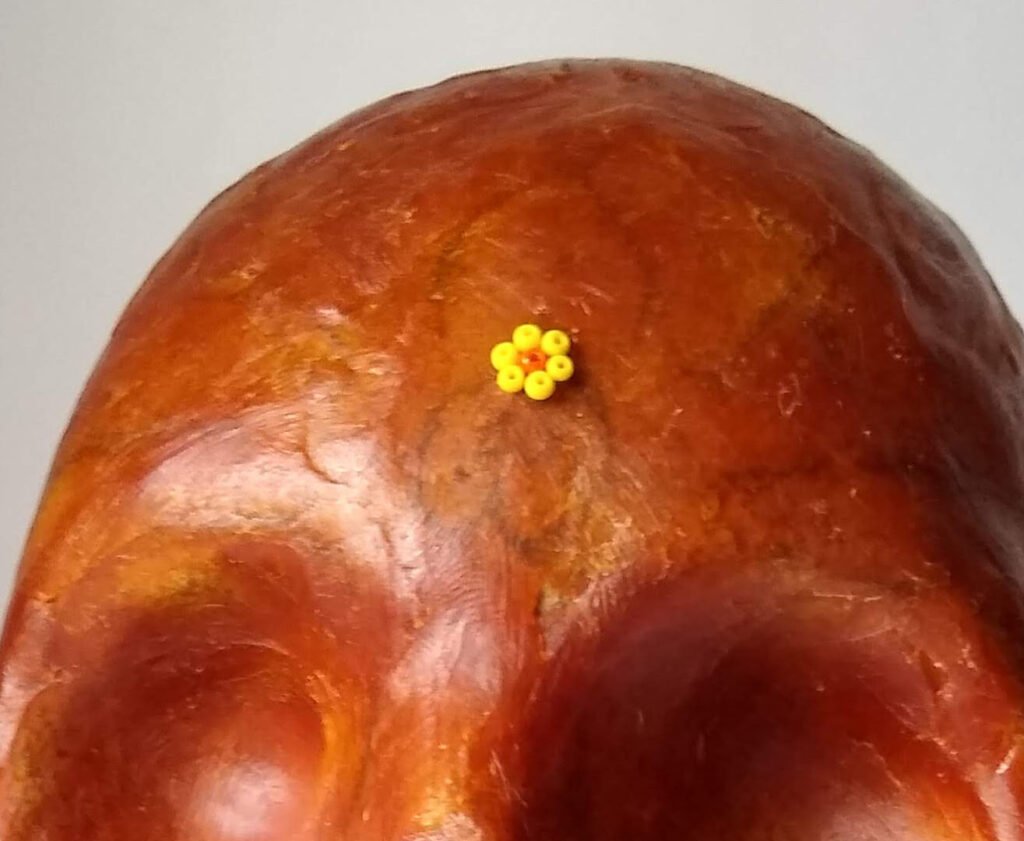
  1. Start with the Center: Begin with the central circle of your flower. Press yellow beads into the wax to form a tight circle. Use a toothpick or small tool to help position the beads precisely.
  2. Create the Petals: Move on to the petals. Press red beads into the wax to outline each petal, then fill them in with orange beads. Work slowly and carefully to ensure the beads are placed evenly and close together.
  3. Add Details: Once the petals are complete, you can add additional details around the flower. Use green beads to create leaves or other embellishments as desired.

Step 4: Finishing Touches

  1. Press the Beads Firmly: After placing all the beads, gently press them into the wax to ensure they are secure. You can use a piece of paper or cloth to press down evenly across the surface.
  2. Seal the Artwork (Optional): To protect your bead art, you can apply a clear varnish or sealant. This will help keep the beads in place and protect the artwork from dust and damage. Be sure to choose a sealant that is compatible with beeswax and won’t alter the colors of your beads.

Tips for Success

  • Work in Sections: Instead of applying beeswax to the entire board at once, work in small sections. This prevents the wax from drying out or becoming less sticky before you can place the beads.
  • Use Quality Beads: High-quality glass beads will result in a more vibrant and durable piece of art. Avoid plastic beads as they may not adhere as well and can detract from the overall appearance.
  • Practice Patience: Creating Huichol bead art requires patience and attention to detail. Take your time placing each bead, and don’t rush the process.

Creating a Huichol bead art flower is a beautiful way to engage with this traditional art form. By following these steps, you can produce a piece of artwork that not only captures the vibrant aesthetic of Huichol art but also reflects its deep cultural significance. Whether you are a beginner or an experienced crafter, this project offers a rewarding and meditative experience. Embrace the process, enjoy the burst of colors, and connect with the rich heritage of the Huichol people through your creation.

A Stunning Wixárika Skull: Tradition Meets Modern Artistry

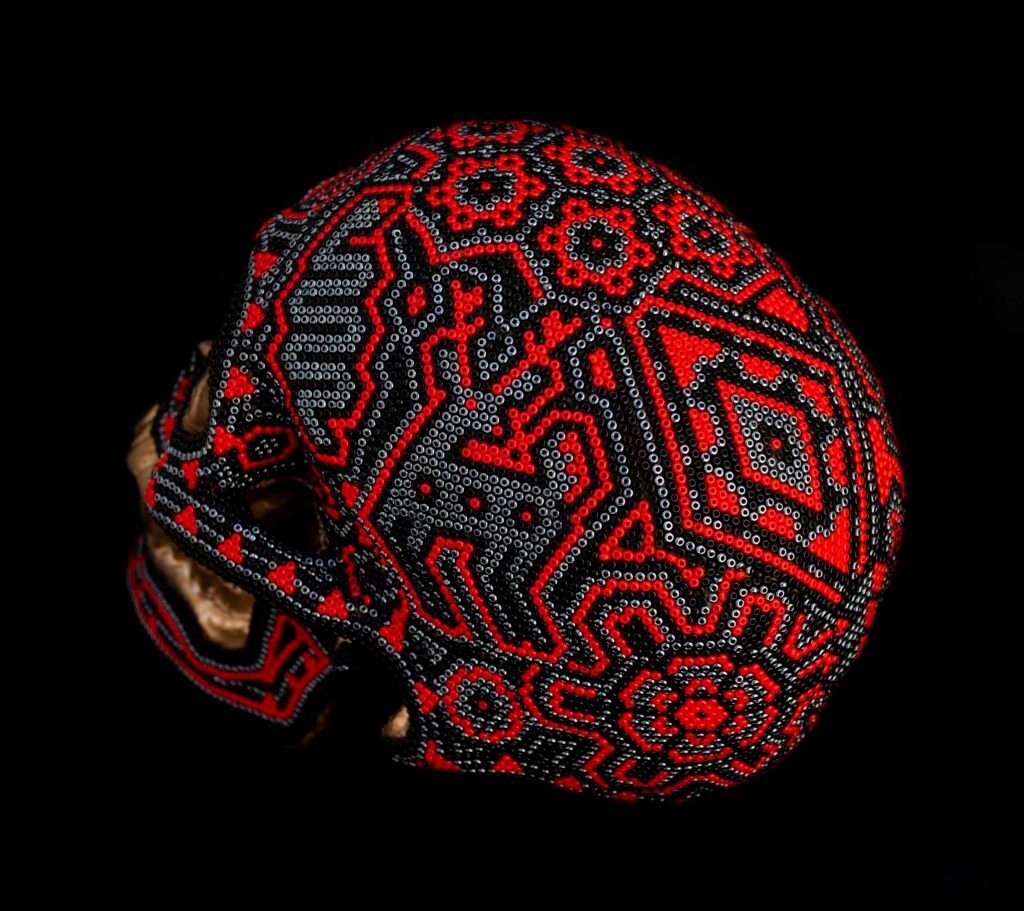
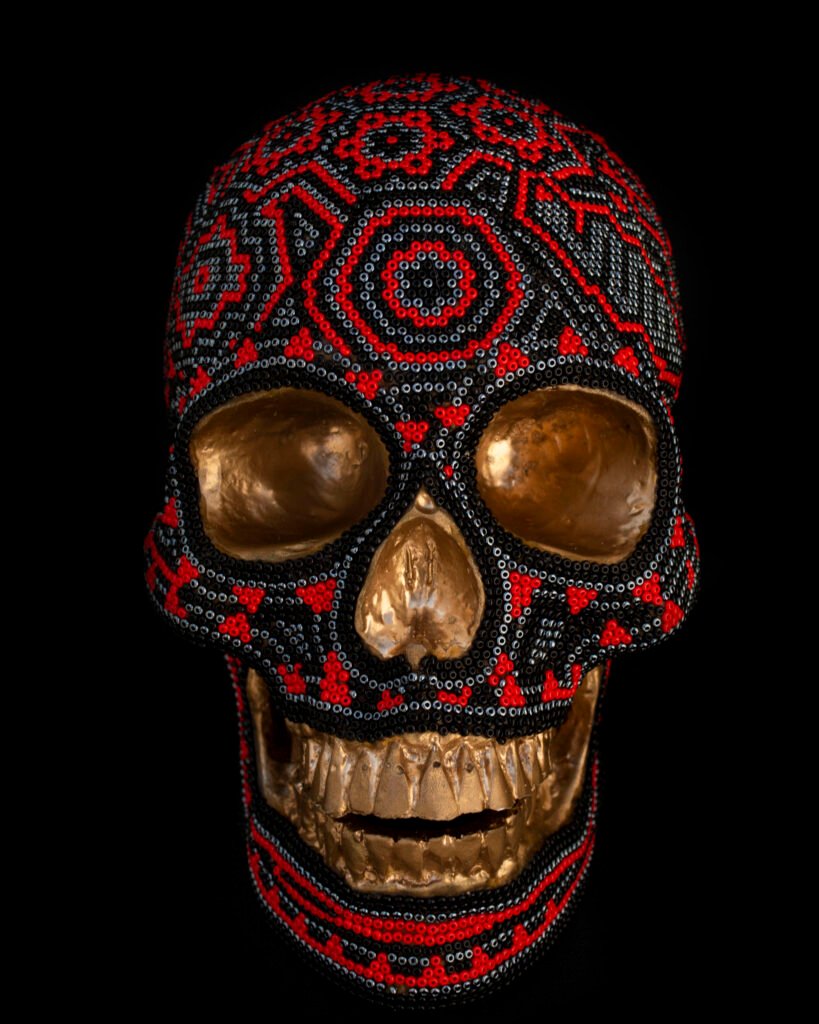
The Wixárika, also known as the Huichol people, are renowned for their intricate beadwork and vibrant use of colors in their art. One particularly striking example of this craftsmanship is a Wixárika skull art piece. This piece is unique not only for its stunning design but also for the deep cultural significance it holds.

The Art Piece

This stunning Wixárika skull features a gold base, symbolizing the richness and vitality of life. Adorning this base are Czech chaquira beads in three bold colors: bright red, silver, and black. These colors are not chosen at random but are carefully selected to convey specific meanings and to create a visually captivating effect. The skull also has a movable jaw, adding a dynamic element to the piece, allowing the viewer to appreciate it with the jaw open or closed.

Symbolism and Meaning

The Wixárika people imbue their art with rich symbolism, often tied to their spiritual beliefs and cosmology. Here, the colors used play a vital role:

  • Red: In Wixárika culture, red symbolizes life, blood, and the power of the gods. It represents the vitality and energy that is ever-present in the world around us.
  • Silver: Silver beads often symbolize purity and the connection to the spiritual world. They reflect the light and are associated with the divine and sacred elements.
  • Black: Black stands for the unknown, the mysteries of the universe, and the depths of the human soul. It is a color of respect and introspection.

The combination of these colors on the gold base creates a vibrant yet profound piece, blending the material richness of gold with the deep cultural meanings of the bead colors.

Craftsmanship and Technique

Creating such a piece requires immense skill and patience. The process begins with selecting high-quality Czech chaquira beads, known for their uniformity and brilliant colors. The artist then meticulously applies beeswax to the skull, which acts as an adhesive base for the beads.

Each bead is placed individually, following a predetermined pattern that often has spiritual or cultural significance. The artist’s steady hand and keen eye for detail are essential, as even a slight mistake can disrupt the intricate design.

The movable jaw adds another layer of complexity to the piece. This feature allows for interaction with the art, giving it a dynamic quality that can change the viewer’s perspective and experience of the piece.

Cultural Significance

For the Wixárika, art is not just a form of expression but a way to connect with their ancestors and the divine. Each piece of beadwork is a prayer, a story, and a piece of history. The skull, a symbol of mortality and the human experience is transformed into a vibrant testament to life and spirituality through the use of beads.

This skull also serves as a reminder of the Wixárika’s rich cultural heritage and their ongoing struggle to preserve their traditions in the face of modern challenges. By creating such art pieces, they continue to pass down their knowledge, beliefs, and artistic techniques to future generations.

This Wixárika skull, with its gold base and dynamic red, silver, and black beadwork, is a stunning example of the Huichol people’s artistic mastery and cultural depth. It is more than just an art piece; it is a bridge between the past and the present, the physical and the spiritual. The movable jaw adds a unique touch, making it a dynamic and interactive piece that captivates and inspires.

In appreciating this piece, one can gain a deeper understanding of the Wixárika’s worldview, their reverence for life, and their unwavering commitment to preserving their cultural identity through art.

The Sun: Symbol of Power in Huichol Culture

The Sun, a universal symbol of life and energy, holds a particularly significant place in the spiritual and cultural fabric of the Huichol people, known as the Wixárika. For the Wixárika, the Sun is not just a celestial body but a powerful deity, a source of life, and a central figure in their cosmology. This article delves into the profound significance of the Sun in Huichol culture, exploring its symbolic meanings, representation in art and mythology, and its role in rituals and beliefs.

The Sun in Huichol Cosmology

In Huichol cosmology, the Sun is revered as a primary deity known as Tayau, which translates to “Our Father Sun.” Tayau is seen as the giver of life, the protector of the community, and the enforcer of moral order. The Sun’s daily journey across the sky is perceived as a powerful reminder of the cycles of life, death, and rebirth, embodying the eternal rhythm of existence.

The Sun’s rays are believed to carry the divine energy essential for the growth of crops, the health of the people, and the balance of nature. This connection underscores the deep respect the Huichol have for the natural world and their reliance on its cycles for sustenance and spiritual well-being.

Symbolic Meanings

The Sun symbolizes various profound concepts in Huichol culture:

  1. Power and Authority: As the supreme deity, the Sun represents ultimate power and authority, governing all aspects of life on Earth.
  2. Life and Fertility: The Sun’s warmth and light are essential for agricultural productivity, making it a symbol of life, fertility, and prosperity.
  3. Spiritual Guidance: The Sun is seen as a spiritual guide, offering wisdom, protection, and clarity to the people. Its presence in rituals signifies enlightenment and divine intervention.

Representation in Art and Mythology

Huichol art is renowned for its vibrant colors and intricate designs, often featuring symbols of the Sun. Beadwork, yarn paintings, and embroidery frequently depict the Sun with radiant beams, emphasizing its importance. These artworks are not merely decorative; they are imbued with spiritual meanings and serve as visual prayers for blessings, guidance, and protection.

In Huichol mythology, stories of the Sun are central to their understanding of the world. One such myth recounts the journey of the first shaman to the East, where he encountered Tayau and received sacred knowledge to bring back to his people. This myth highlights the Sun’s role as a source of wisdom and spiritual power.

Rituals and Ceremonies

Rituals honoring the Sun are integral to Huichol religious practices. One of the most significant ceremonies is the Peyote pilgrimage, where participants travel to the sacred desert of Wirikuta, believed to be the birthplace of the Sun. During this journey, they collect peyote, a sacred cactus, and perform rituals to communicate with the divine, seeking guidance, healing, and blessings.

The Sun Dance, another important ritual, involves elaborate dances and offerings to honor Tayau. Participants engage in this ceremony to express gratitude for the Sun’s gifts and to ensure continued prosperity and protection.

Cultural Preservation and Modern Challenges

As modern influences encroach on traditional ways of life, the Huichol people strive to preserve their cultural heritage, including their reverence for the Sun. Efforts to maintain traditional rituals, art forms, and spiritual teachings are vital in safeguarding their identity and beliefs. These practices are not only a means of cultural expression but also a way to maintain the spiritual balance that is central to their worldview.

The Sun, or Tayau, is more than a symbol of power in Huichol culture; it is a source of life, wisdom, and spiritual guidance. Its significance permeates every aspect of Wixárika life, from mythology and art to rituals and daily practices. Understanding the profound connection the Huichol have with the Sun offers a glimpse into their rich cultural heritage and their enduring respect for the natural world. By honoring the Sun, the Huichol people continue to celebrate the cycles of life and the divine energy that sustains them.

Beeswax in Wixárika Art: Preserving Tradition and Craftsmanship

In the intricate world of Wixárika art, beeswax plays a crucial role as both a medium and a symbol of cultural heritage. This natural substance, derived from bees, serves not only as an adhesive for securing beads but also embodies the sacred connection between the Wixárika people and their environment. Understanding its significance and learning how to create your own beeswax mixture allows individuals to engage more deeply with this ancient art form.

The Role of Beeswax in Wixárika Beadwork

Beeswax serves as the foundational element in Wixárika beadwork, providing a sticky base onto which tiny beads are meticulously placed. This process requires skill and patience, as artisans heat the beeswax to a pliable consistency before applying it to a variety of surfaces, including wood, gourds, and fabric. The wax not only secures the beads but also enhances their durability, ensuring that the intricate designs remain intact over time.

Cultural Significance

Beyond its practical applications, beeswax holds profound cultural significance for the Wixárika people. Bees are revered as sacred creatures, symbolizing fertility, community, and harmony with nature. Harvesting beeswax involves a careful and respectful process that honors these beliefs, reinforcing the spiritual connection between the artisan and their materials.

Creating Your Own Beeswax Mixture

For those inspired to try their hand at Wixárika beadwork, creating a beeswax mixture is a simple yet essential step. Here’s a basic guide to making your own beeswax mix:

  1. Ingredients:
    • Beeswax: Obtain pure beeswax from a reputable source, ensuring its quality and authenticity.
    • Pine Resin (optional): Adding pine resin enhances the adhesive properties of the wax, making it more durable.
  2. Preparation:
    • Melt the beeswax in a double boiler or a heat-safe container placed in a pot of simmering water. Use low to medium heat to avoid overheating.
    • If using pine resin, add it gradually to the melted beeswax, stirring gently until fully dissolved.
  3. Application:
    • Once the mixture reaches a smooth consistency, allow it to cool slightly before applying it to your chosen surface.
    • Use a small brush or spatula to spread the beeswax evenly, working in small sections to ensure thorough coverage.

Safety Notice

  • Ventilation: Ensure you work in a well-ventilated area when melting beeswax and pine resin to avoid inhalation of fumes.
  • Heat Safety: Be cautious with hot wax to prevent burns. Use heat-safe gloves and handle hot containers carefully.
  • Fire Hazard: Never leave melting wax unattended and keep it away from open flames or heat sources.

Artistic Expression and Spiritual Connection

Engaging in Wixárika beadwork goes beyond creating beautiful designs; it fosters a deeper connection to cultural traditions and spiritual values. Each bead placed becomes a testament to the artisan’s respect for nature, their community, and the ancestors who passed down these techniques through generations. The act of making your own beeswax mix enhances this connection, allowing individuals to experience firsthand the craftsmanship and spiritual significance inherent in Wixárika art.

Beeswax is more than a material in Wixárika beadwork; it is a symbol of cultural resilience and spiritual connection. By understanding its role and learning to create a beeswax mixture, individuals can embark on a journey of creativity and cultural exploration. Through Wixárika art, the timeless beauty of beeswax continues to enrich lives and preserve the traditions of the Wixárika people, ensuring that their heritage remains vibrant and celebrated for generations to come.